
雪に埋もれたへちま畑
例年30~50cm積もります


Imizu is located almost in the center of Toyama Prefecture, overlooking the majestic Tateyama Mountain Range of the Northern Alps to the east, and was once mentioned in the Manyoshu, and is blessed with bountiful fruits from the fields, mountains, and sea.
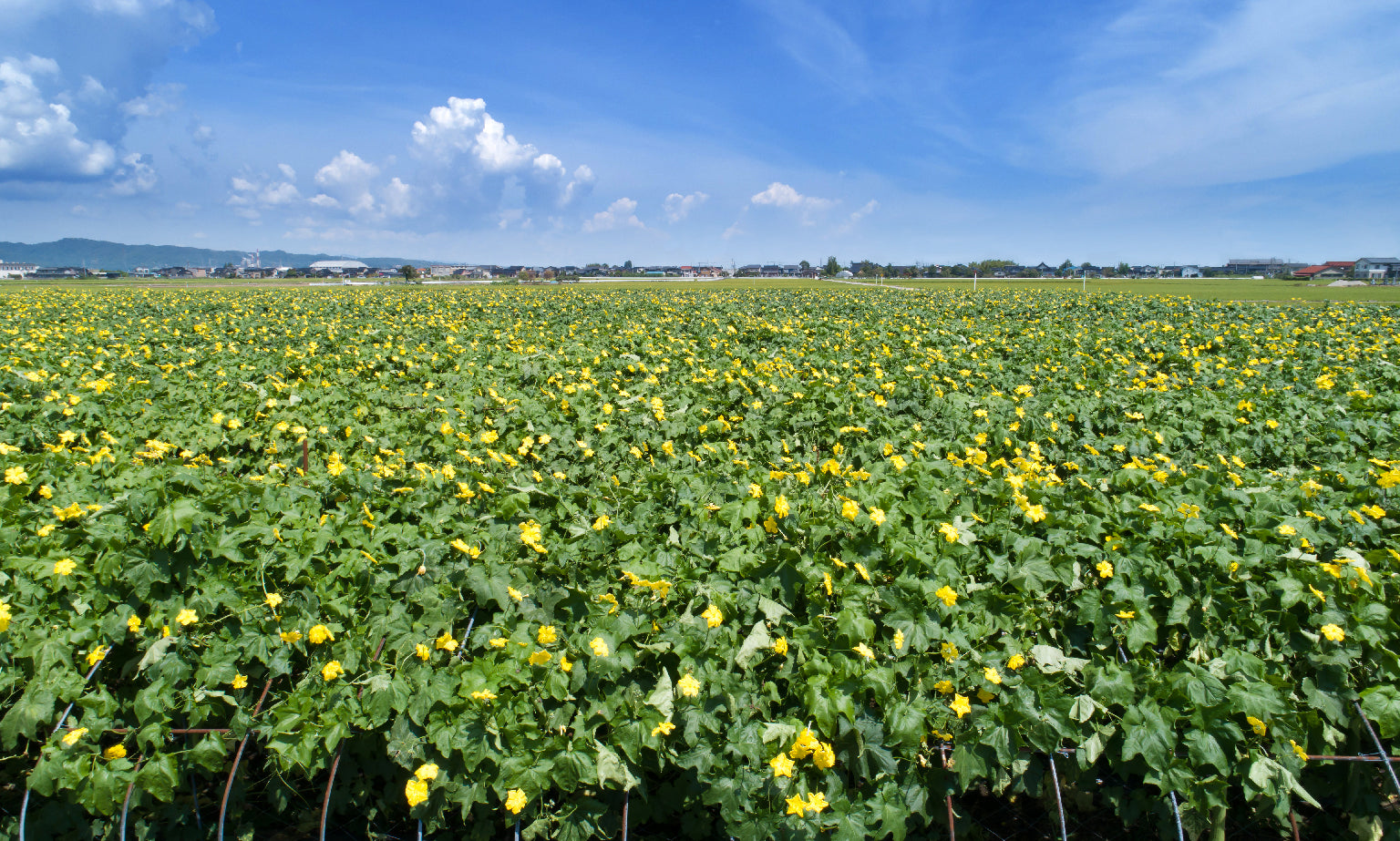
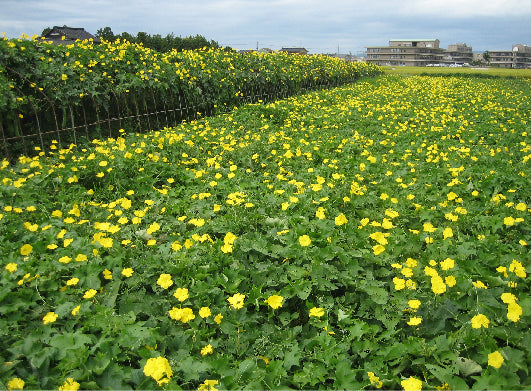
Surrounded on three sides by mountains of 2,000 to 3,000 meters high, including the Tateyama Mountain Range of the Northern Alps, clear snowmelt water recharges underground and becomes abundant groundwater, watering the fields.
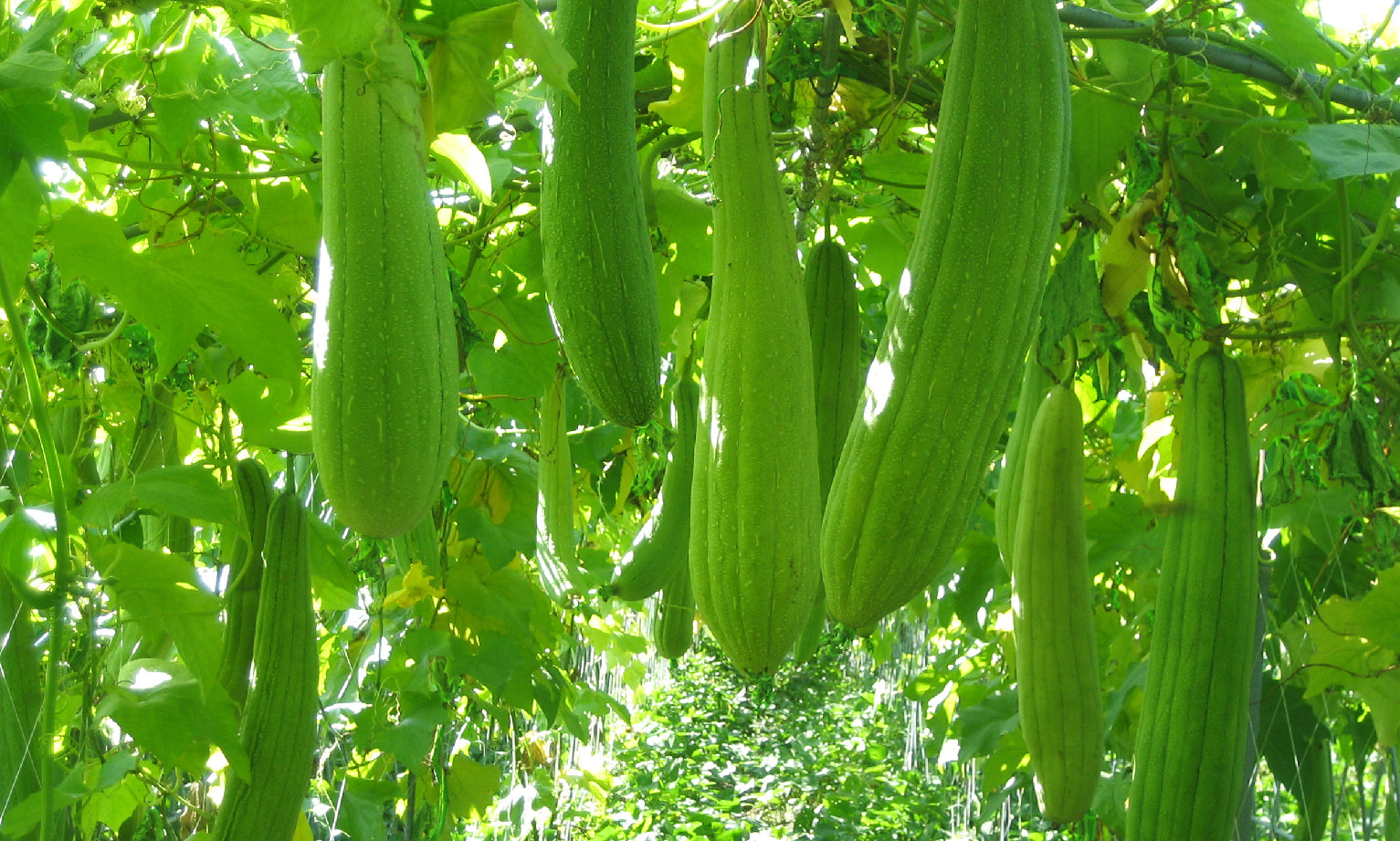
In the fields where we grow loofahs from seeds we collect ourselves without using pesticides, many beneficial microorganisms help the growth of loofahs and provide us with high-quality loofahs.

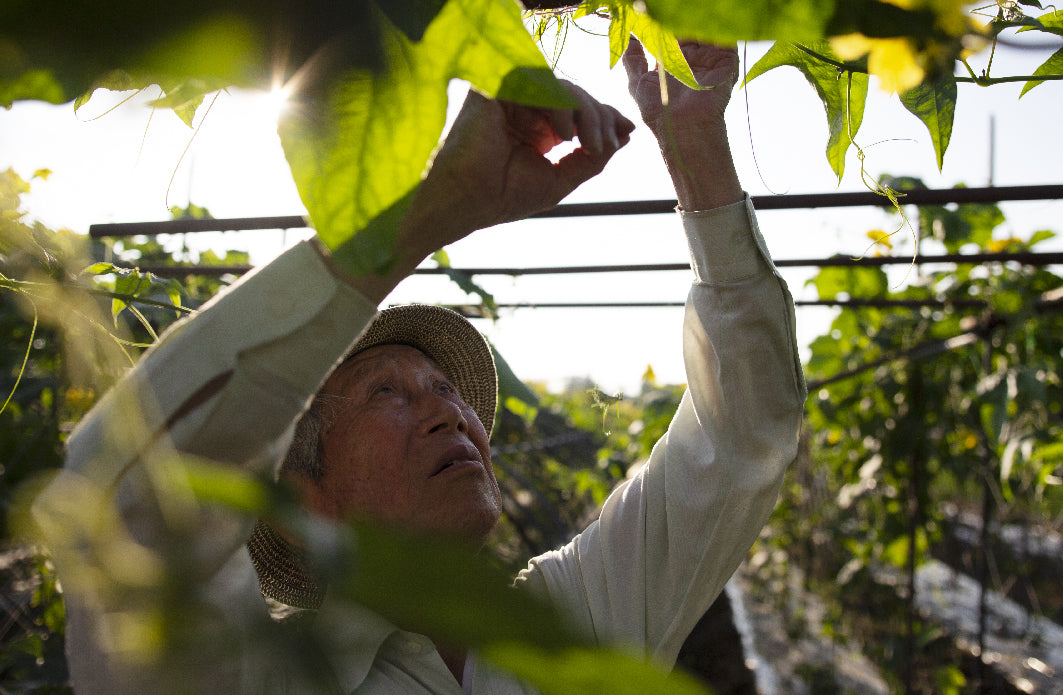
Approximately 40 years ago, at a time when the One Village, One Product movement was popular throughout the nation and the idea of revitalizing villages and towns was in full swing, volunteers gathered together to create a specialty product representative of Oshima Town (now Imizu City), and efforts to produce loofahs began. At first, we were just trying to find ways to grow loofah, as neither cultivation techniques nor sales channels were established, but with the desire to deliver safe and secure loofah, we have grown each loofah with great care, without using any pesticides, from the beginning until now. Hechima Kochi Kobo's loofahs are made with a lot of love from the producers.
Loofah is an annual plant of the Cucurbitaceae family that is native to tropical Asia (around India). It is said that it was introduced to Japan via China during the Muromachi period (around 1520) and spread to the civilian population in the early Edo period.
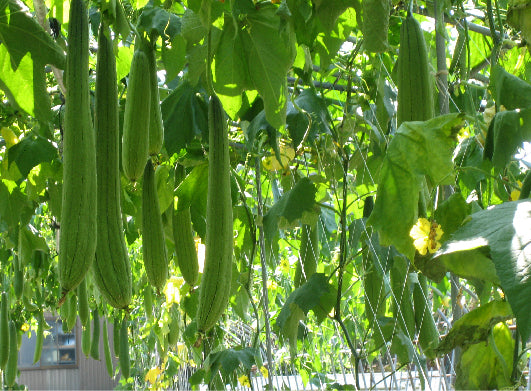
Young loofah fruit is also popular as an edible ingredient, and in Taiwan it is often eaten as an ingredient in xiao long bao, in Okinawa as nabera chanpuru, and in southern Kyushu as an ingredient in stews, grilled dishes, and miso soup.
雪に埋もれたへちま畑
例年30~50cm積もります
へちま播種、
発芽・育苗
(約5000~6000ポット)
畑づくり、堆肥を畑に撒く、
耕耘して畝作り
苗の移植
棚にネットを張る
へちま棚にへちまの蔓が
巻き付き伸びていく
グングンへちまの蔓が
伸びていく
葉が生い茂り、
実が大きく育っていく
花も咲く
へちまの実の収穫
へちま水の収穫
そろそろ
冬の足音が近づいてきて
収穫も終盤
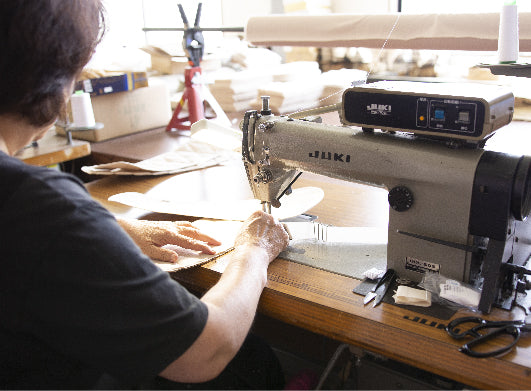
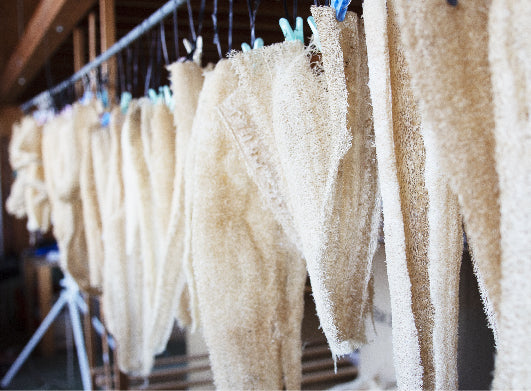
For 40 years, we have been committed to pesticide-free products, growing loofah from seeds, cultivating, harvesting, processing, manufacturing and selling. In recent years, the benefits of natural materials have been reconsidered due to skin allergies and the tendency to avoid chemical products. Loofah fiber has a good texture and has excellent water absorption and breathability, so it has been useful in a wide variety of ways in daily life. From bath supplies to daily necessities and Japanese accessories, we help you live a healthy and comfortable life.
毎日のくらしに
へちまのここち良さを